
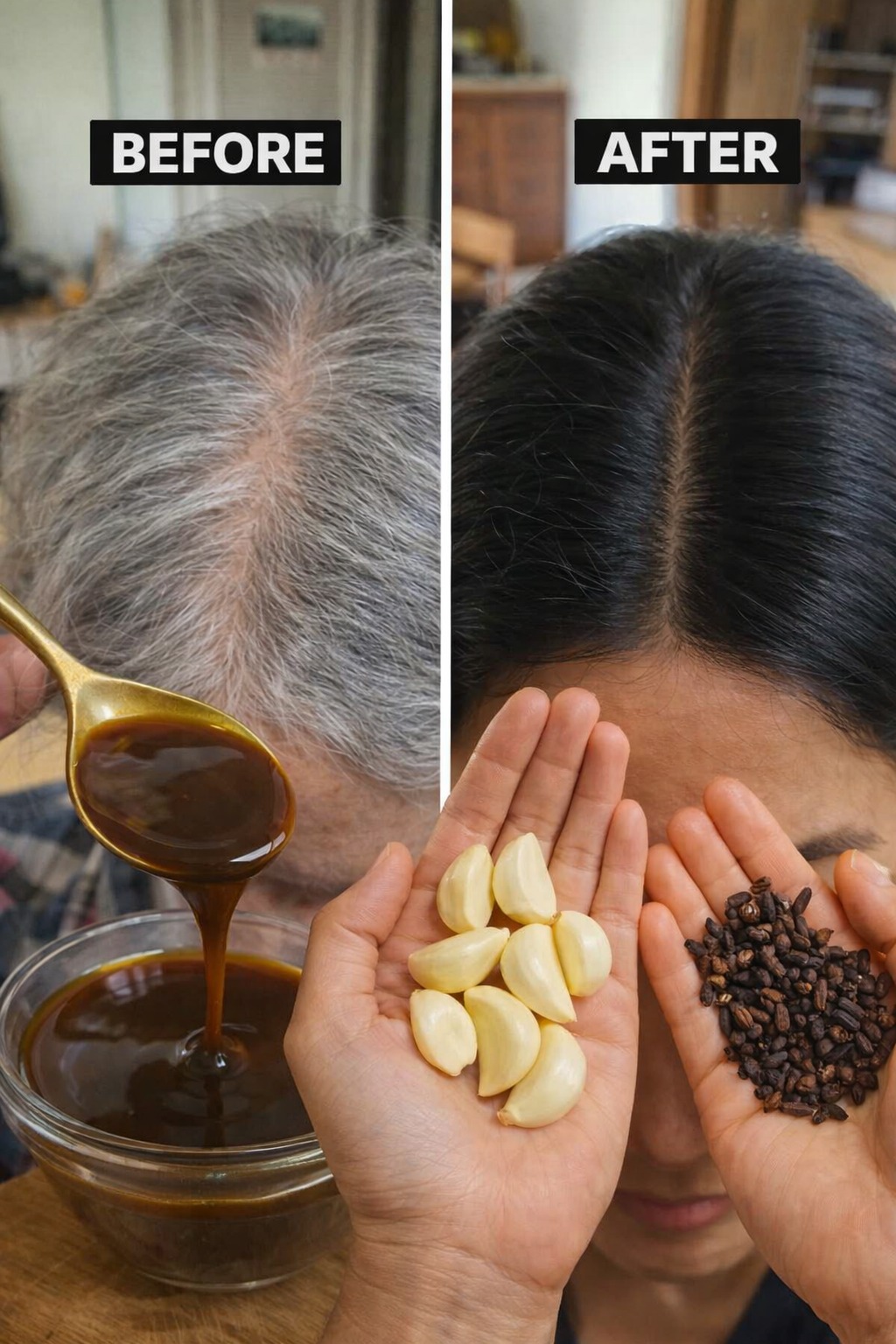
Garlic and cloves have long been used in home remedies across cultures for their natural properties. Garlic contains sulfur compounds like allicin, along with antioxidants and vitamins that may contribute to scalp wellness. Studies, including some preclinical research, suggest these elements could support circulation and follicle health, potentially aiding stronger, more resilient hair.
Cloves bring eugenol and other antioxidants to the mix. Research indicates they may help soothe the scalp, reduce irritation, and promote better blood flow—factors that indirectly support healthier hair growth cycles. When combined, these two create a potent blend often prepared as an infused oil or rinse in traditional practices.
But that’s not all—many people report noticing fuller, shinier hair after consistent use, though individual results vary widely based on factors like genetics, diet, and overall health.

What the Science Says About These Ingredients
While no large-scale human trials confirm dramatic transformations, some evidence points to promising supportive effects:
- Garlic’s role in hair health: Limited animal and lab studies show sulfur-rich compounds may encourage follicle activity and improve scalp conditions. For example, research published in journals like Cureus has explored garlic-derived elements for promoting growth phases in models, though more human data is needed.
- Cloves for scalp support: Eugenol in cloves has anti-inflammatory and antimicrobial traits, which could help maintain a balanced scalp environment. Some reviews note potential for better circulation, aiding nutrient delivery to roots.
- Combined benefits: Traditional uses often pair them for nourishment, with anecdotal reports of improved texture and appearance. However, experts emphasize these are supportive, not guaranteed fixes, and results depend on consistent, gentle application.
This is the interesting part—many who try natural infusions appreciate the low-cost, chemical-free approach while focusing on overall hair routine improvements.

How to Prepare a Simple Garlic and Cloves Hair Infusion
Here’s a straightforward, actionable recipe inspired by traditional methods. Always do a patch test first to check for sensitivity.
Ingredients:
- 8–10 fresh garlic cloves (peeled and crushed to release compounds)
- 2 tablespoons whole cloves (dried spice)
- 1 cup carrier oil (like coconut or olive oil for better absorption)
Step-by-Step Guide:
- Crush the garlic cloves gently to activate allicin—don’t overdo it to avoid irritation.
- Add the whole cloves to a small jar or heat-safe bowl.
- Warm the carrier oil slightly (not hot) and pour over the ingredients.
- Let the mixture infuse in a warm spot for 3–5 days, shaking daily. For faster prep, gently heat on low for 10–15 minutes, then cool and strain.
- Strain out solids using a fine mesh or cheesecloth.
- Store in a dark glass bottle in a cool place.
How to Use It:
- Apply to your scalp and hair 2–3 times per week.
- Massage in for 5–10 minutes to boost circulation.
- Leave on for 30–60 minutes (or overnight with a shower cap if tolerated).
- Rinse thoroughly with mild shampoo—double cleanse if needed to remove residue.
- Follow with your regular conditioner.
For variety, some add a teaspoon of honey for extra moisture, but start simple.
Potential Benefits You Might Notice Over Time
Users often share these supportive outcomes with regular use:
- Improved scalp comfort: Reduced dryness or itchiness thanks to antimicrobial properties.
- Enhanced shine and texture: Oils nourish strands, making hair feel softer.
- Fuller appearance: Better circulation may encourage healthier growth cycles.
- Natural nourishment: Antioxidants help protect against daily stressors.
Keep expectations realistic—changes, if any, build gradually over weeks or months with consistent care.

Tips to Maximize Results and Avoid Common Mistakes
To get the most from this approach:
- Combine with a balanced diet rich in biotin, zinc, and vitamins (think nuts, eggs, greens).
- Stay hydrated and manage stress, as both influence hair vitality.
- Avoid overuse—start with twice weekly to monitor skin response.
- Don’t apply to broken skin or irritated scalp.
- Pair with gentle handling: Use wide-tooth combs and avoid tight styles.
Common pitfalls include skipping the patch test or using too much garlic, which can cause temporary odor or mild tingling—dilute more if needed.
Comparing This Method to Other Natural Hair Supports
Here’s a quick comparison:
- Garlic + Cloves Infusion: Focuses on sulfur and eugenol for nourishment; oil-based for easy application.
- Coconut Oil Alone: Great for moisture but lacks targeted compounds.
- Aloe Vera Gel: Soothing but less stimulating for circulation.
- Onion Juice: Sulfur-rich like garlic; some studies show promise for density.
The garlic-cloves combo stands out for its dual antioxidant and soothing profile.
Final Thoughts: A Gentle Step Toward Healthier Hair
Exploring natural ingredients like garlic and cloves offers a low-risk way to pamper your hair and scalp. While not a miracle solution, many find value in this simple ritual as part of a broader self-care routine—leading to hair that feels stronger, looks shinier, and perhaps appears more vibrant over time.
Consistency, patience, and listening to your body are key. You might be surprised how small changes add up.
FAQ
How long does it take to see changes with garlic and cloves for hair? Most people notice softer, shinier hair within 2–4 weeks of regular use, with fuller appearance possibly taking 1–3 months depending on individual factors.
Is this method safe for all hair types? It’s generally gentle when diluted, but those with sensitive skin or allergies should patch test. Consult a professional if you have scalp conditions.
Can I use this daily? Twice to three times weekly is ideal to avoid buildup or irritation—overuse may lead to dryness.
Disclaimer: This article is for informational purposes only and not medical advice. Natural remedies like this may support hair health but are not intended to diagnose, treat, cure, or prevent any condition. Results vary, and it’s best to consult a healthcare professional or dermatologist before trying new topical treatments, especially if you have sensitivities or underlying health issues.
ADVERTISEMENT

