
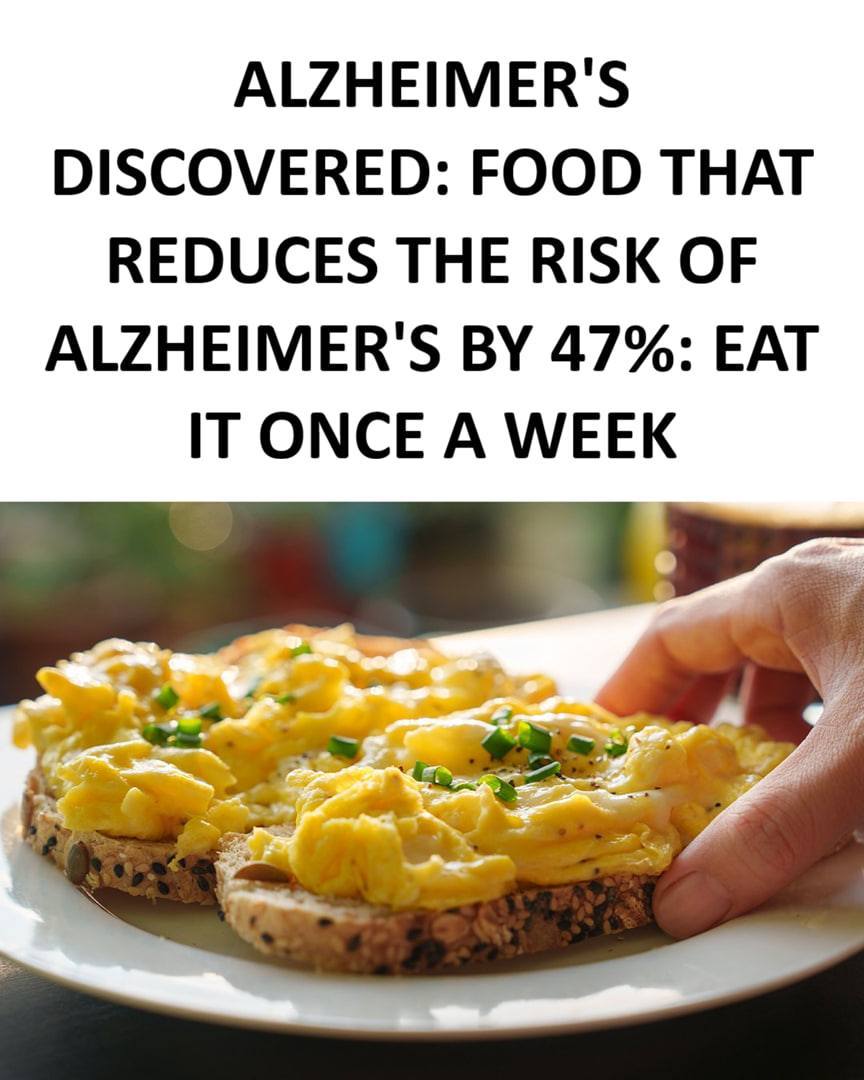
While the amount varies based on hen feed, eggs—particularly those from hens fed flaxseed or algae—can provide docosahexaenoic acid (DHA). DHA is the most abundant omega-3 in the brain, critical for membrane fluidity, synaptic plasticity (the basis of learning), and exerting potent anti-inflammatory effects.
6. Vitamins and Minerals: The Support Cast
Vitamin B12 and Folate: Crucial for homocysteine metabolism. Elevated homocysteine is a known risk factor for vascular disease and cognitive decline. B12 and folate, abundant in eggs, help convert homocysteine into harmless substances.
Vitamin D: Supports immune regulation and neuronal calcium signaling, and may be involved in clearing amyloid-beta.
Selenium: A cofactor for glutathione peroxidase, one of the brain’s master antioxidant enzymes.
In essence, the egg delivers a coordinated nutritional “strike force” designed to support neurotransmitter synthesis, fortify neuronal structure, combat oxidative and inflammatory stress, and optimize cellular metabolism—all processes directly implicated in Alzheimer’s pathology.
Part III: Dissecting the Rush University Study – Methodology, Findings, and Mechanistic Insights
The power of the Rush University research lies in its rigorous design within the larger, renowned Memory and Aging Project (MAP).
Study Design and Cohort:
The study followed over 1,000 older adults (average age ~81) who were initially free of dementia. Participants underwent detailed annual cognitive assessments and completed comprehensive food frequency questionnaires. This prospective design—tracking diet first and then disease onset—is stronger than retrospective designs for establishing a potential causal link.
The Striking Results:
The 47% Risk Reduction: After adjusting for confounding variables like age, sex, education, physical activity, and overall diet quality (e.g., adherence to a MIND or Mediterranean diet), the analysis revealed that individuals who consumed one or more eggs per week had a 47% lower risk of developing Alzheimer’s dementia compared to those who consumed less than one egg per month. This was a dose-dependent relationship, meaning higher intake (up to a point) conferred greater benefit.
Post-Mortem Neuropathological Correlation: The most compelling evidence came from examining the brains of deceased participants. Those with higher lifelong egg consumption had significantly lower densities of beta-amyloid plaques and neurofibrillary tangles in their brain tissue. This directly connected the dietary habit with the very biological hallmarks of the disease.
The Choline Mediation Analysis: Using sophisticated statistical modeling, the researchers estimated that approximately 40% of the protective effect of egg consumption could be specifically attributed to dietary choline intake. This provides a plausible biochemical pathway for the observed association.
Interpretation and Causality:
It is critical to note that observational studies, no matter how well-designed, show association, not definitive causation. It is possible that people who eat eggs regularly engage in other healthier behaviors not fully captured by the adjustments. However, the strength of the association, the dose-response relationship, the biological plausibility, and the direct pathological evidence make a compelling case that egg consumption is actively neuroprotective, not merely a marker of a healthy lifestyle.
Part IV: Beyond Choline – The Systemic and Lifespan Perspective
Focusing solely on choline, while justified by the mediation analysis, may undersell the egg’s holistic impact. The benefits likely arise from a lifetime of nutritional support across multiple systems:
Vascular Health: By providing nutrients that support healthy homocysteine levels (B12, folate) and reduce inflammation (omega-3s, antioxidants), eggs contribute to cerebral vascular integrity. A healthy brain blood supply is the first line of defense against mixed dementias, which often involve both Alzheimer’s and vascular pathology.
The Gut-Brain Axis: Emerging science highlights the profound connection between gut health and brain health. Choline and other egg-derived nutrients influence the gut microbiome. A balanced gut flora produces metabolites like short-chain fatty acids that can reduce systemic inflammation and may strengthen the blood-brain barrier.
Early-Life Programming: The neuroprotective benefits of choline and DHA may be most potent when supplied during critical periods of brain development in fetal life and infancy. A lifelong dietary pattern that includes eggs may thus be building a “cognitive reserve”—a more robust, resilient neural network that can withstand later-life pathological insults for longer before showing symptoms.
Part V: Addressing Concerns and Contextualizing the Recommendation
No single food is a magic bullet. The Rush University finding must be integrated into a holistic view of brain-healthy living.
Cholesterol Revisited: For the vast majority of people, dietary cholesterol (from eggs) has a minimal impact on blood cholesterol levels, which are more influenced by saturated and trans fats. The current consensus, reflected in major dietary guidelines, is that an egg a day is safe and can be part of a heart-healthy diet for healthy individuals.
The Whole Dietary Pattern: An egg consumed as part of a Standard American Diet (e.g., with processed meats and refined carbohydrates) is not equivalent to an egg eaten within a Mediterranean or MIND dietary pattern, rich in vegetables, berries, whole grains, nuts, and olive oil. These patterns are synergistic; the egg complements and enhances them.
Preparation Matters: Boiling, poaching, or scrambling an egg with minimal added saturated fat preserves its benefits. Frying in unhealthy oils or pairing with bacon regularly alters the health equation.
Conclusion: A Crack in the Armor of Alzheimer’s
The Rush University study offers a powerful, evidence-based message of hope and agency. In the daunting face of Alzheimer’s disease, it suggests that a simple, affordable, and accessible dietary practice—the weekly, even daily, consumption of the humble egg—can be a meaningful part of a defensive strategy. It underscores a paradigm shift in neuroscience: that long-term brain health is profoundly malleable and influenced by quotidian choices at the dinner table.
This research does not promise invulnerability, but it strongly suggests that by consistently providing the brain with the exquisite blend of choline, antioxidants, phospholipids, and other nutrients found in an egg, we may be helping to fortify its cellular structures, optimize its chemical communication, and dampen the inflammatory and oxidative storms that contribute to degeneration. It is a testament to the idea that sometimes, the most profound scientific insights point us not to complex pharmacotherapy, but back to the foundational power of nourishing food. The golden yolk, therefore, stands not just as a symbol of nutrition, but as a potential beacon of cognitive preservation, illuminating a practical path toward maintaining the vitality and integrity of the mind across a lifetime.
ADVERTISEMENT
