
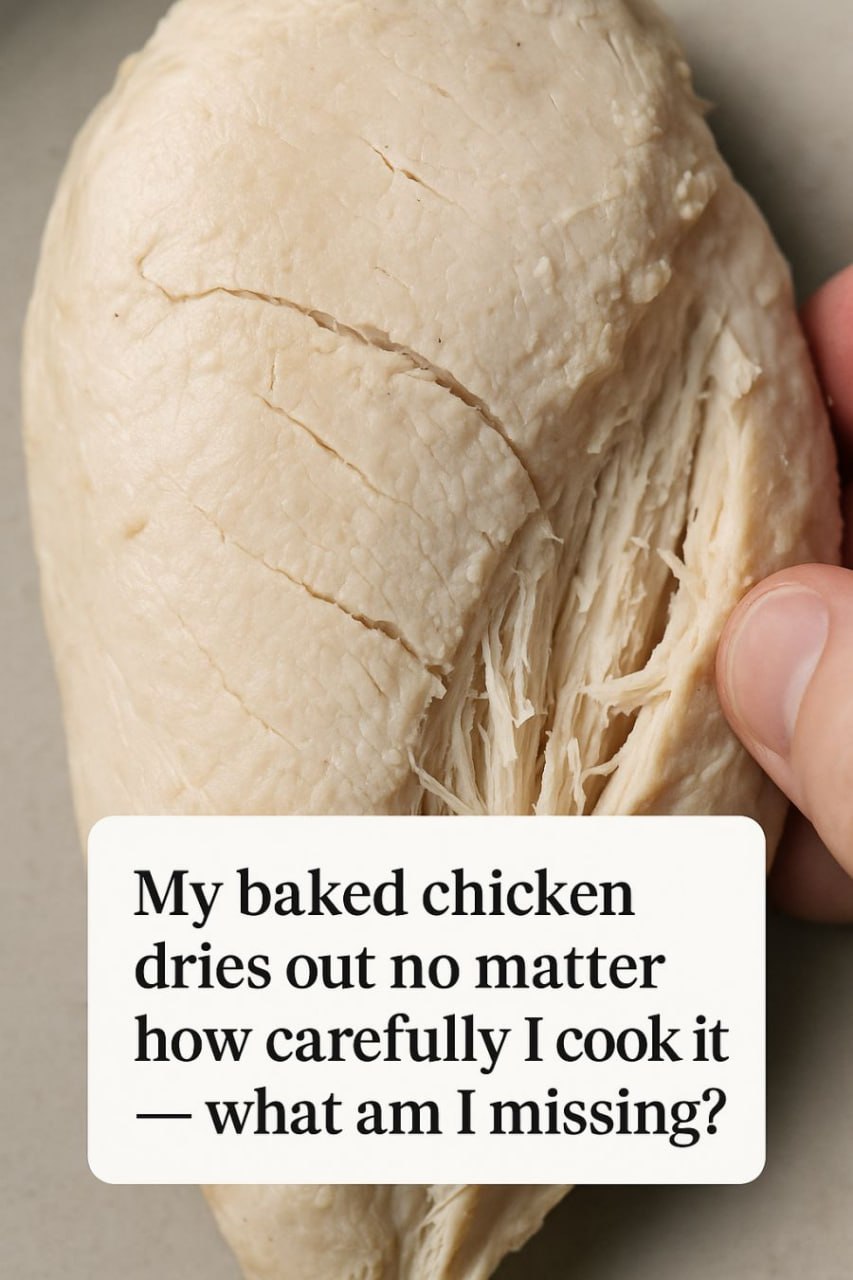
Baked chicken is a staple in many households, beloved for its versatility and ease of preparation. However, achieving perfectly moist and flavorful chicken can be elusive, even for seasoned home cooks. Many find themselves frustrated when their chicken turns out dry, despite following recipes to the letter. What gives?
Understanding the nuances of baking chicken can be the key to consistently producing juicy, tender results. From choosing the right cut to managing cooking temperatures, several factors can influence the outcome of your dish. Let’s delve into some common pitfalls and strategies to help you master the art of baking chicken.
1. You’re Overbaking a Naturally Lean Protein
Chicken, especially the breast, is a naturally lean meat and lacks the fat necessary to keep it moist during extended cooking times. Overbaking is one of the most common reasons for dry chicken. While recipes might suggest a cooking time of 30 to 40 minutes at 350°F (175°C), this can sometimes be too long depending on the thickness of the cut.
To avoid overcooking, it’s crucial to understand that chicken is safe to eat at an internal temperature of 165°F (74°C). Using a meat thermometer to check the temperature can prevent the common mistake of relying solely on cooking time, which can vary based on oven accuracy and chicken size.
2. Your Oven Temperature Isn’t What You Think It Is
Many home ovens can run hotter or colder than the set temperature, leading to unpredictable cooking results. An oven thermometer is a simple tool that can help verify the actual temperature inside your oven.
Place the thermometer in the center of the oven and check it regularly. If you find a discrepancy, adjust your oven settings accordingly. This small step ensures that you’re baking your chicken at the intended temperature, reducing the likelihood of it drying out.
3. You’re Baking Chicken Breasts Whole and Thick
Thick cuts of chicken breast can take longer to cook through, leading to the outer layers drying out while the inside reaches the right temperature. By slicing the breasts in half horizontally or pounding them to an even thickness, you can ensure more uniform cooking.
This technique not only helps in reducing cooking time but also in achieving even doneness. Additionally, consider cutting the chicken into smaller pieces for dishes where smaller, bite-sized pieces are appropriate.
4. You Skip the Brine or Marinade Step
Brining or marinating chicken before baking can infuse the meat with moisture and flavor. A simple brine of water, salt, and sugar can work wonders, while marinades can add additional flavors through herbs, spices, and acids like lemon juice or vinegar.
Allow the chicken to soak in the brine or marinade for at least 30 minutes to an hour. This step is crucial for lean cuts like chicken breasts, which can benefit significantly from the added moisture.
5. You Go Skinless and Boneless Without Compensating
Skin and bones provide natural protection and flavor during cooking. When opting for skinless and boneless cuts, consider methods to compensate for the lack of these elements.
Cooking in a covered dish or using foil can help retain moisture. Additionally, basting with broth or juices during baking can prevent the chicken from drying out.
6. You Don’t Use Enough Fat, Sauce, or Moisture in the Pan
Baking chicken in a dry pan can lead to the meat drying out. Adding a bit of fat, such as olive oil or butter, or a sauce like tomato or barbecue, can help keep the chicken moist.
Consider placing the chicken on a bed of vegetables, which will release moisture as they cook. This not only enhances the flavor profile but also ensures that the chicken stays juicy throughout the baking process.
For Complete Cooking STEPS Please Head On Over To Next Page Or Open button (>) and don’t forget to SHARE with your Facebook friends
ADVERTISEMENT
