
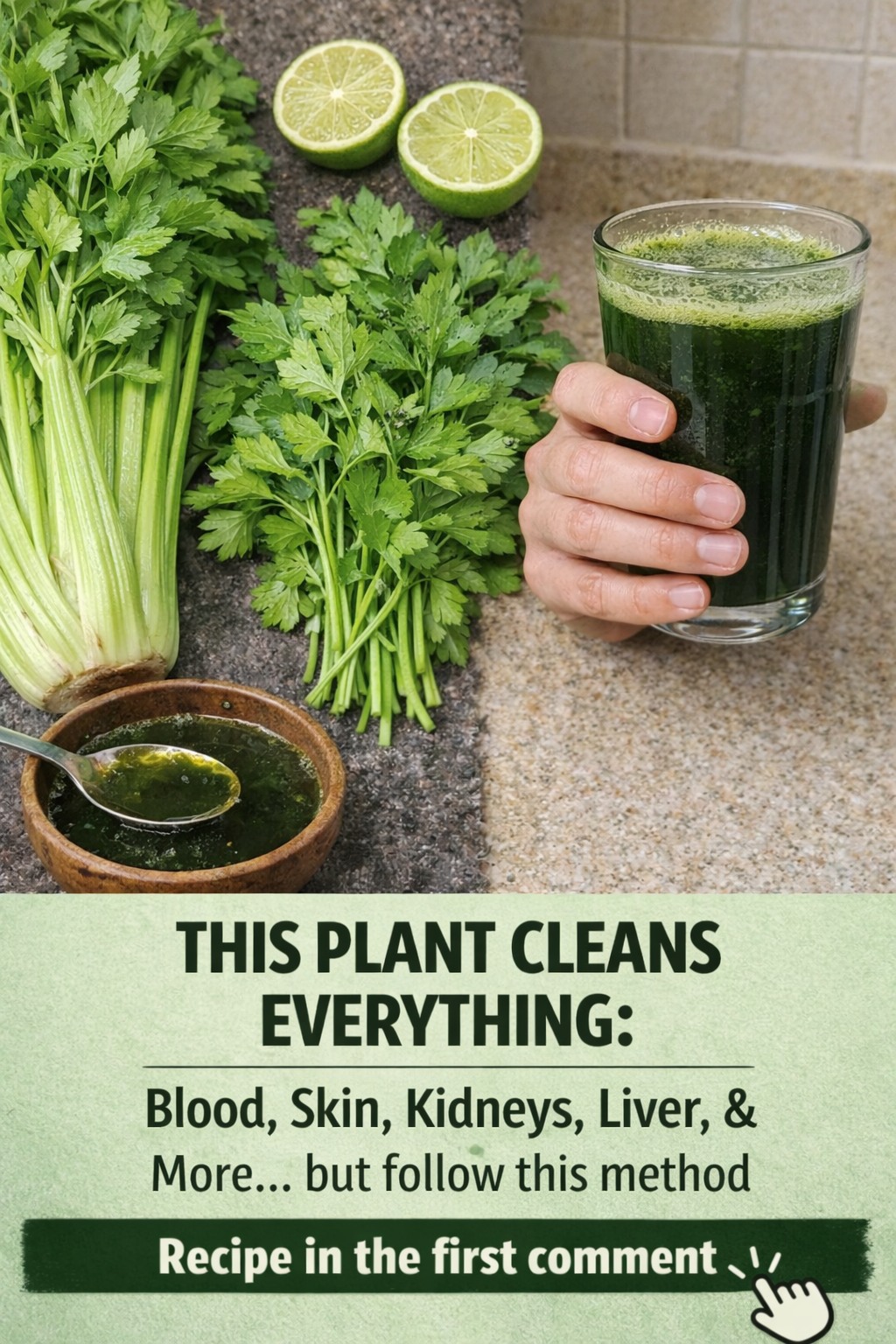
Feeling constantly tired, noticing dull skin, or struggling with that sluggish feeling after meals? Many people today deal with these everyday issues, often linked to modern lifestyles filled with processed foods and stress. What if a simple daily habit using common fresh ingredients could support your body’s natural processes in a gentle way?
Here’s the good news: there’s a straightforward green juice combination that has gained popularity for its fresh taste and nutrient profile. In this guide, we’ll walk you through everything you need to know about celery and parsley juice — including how to prepare it properly so you can enjoy it as part of a balanced routine.

Why Fresh Green Juices Like This One Are Gaining Attention
In today’s busy world, it’s easy to overlook how everyday choices affect how we feel. Fresh vegetables like celery and parsley are packed with vitamins, minerals, and antioxidants that many people already recognize as part of a healthy diet.
But there’s more to it. These ingredients are low in calories yet rich in water and fiber-related compounds. When turned into juice, they deliver a concentrated dose of those beneficial elements in an easy-to-drink form. Research has explored how certain plant compounds may support overall wellness, though results vary from person to person.
The truth is, incorporating more vegetables into your day doesn’t have to be complicated. This particular mix stands out because of its mild flavor and the way the ingredients complement each other.
What Makes Celery and Parsley Special Together
Celery is known for its high water content and natural electrolytes like potassium. Parsley adds a bright, herbaceous note and brings its own set of nutrients, including vitamin K and vitamin C. When combined, they create a refreshing green juice that many enjoy first thing in the morning or as an afternoon pick-me-up.
Here’s why this combination often feels like a good fit for daily routines:
- Both vegetables are widely available and affordable at most grocery stores
- They blend smoothly without needing added sweeteners
- The juice has a clean, crisp taste that pairs well with a squeeze of lime
- It’s naturally hydrating thanks to the high water content in celery
Many people report feeling more refreshed after making this a regular habit, though individual experiences differ.

How to Prepare Celery and Parsley Juice Step by Step
Making this juice at home is simple and takes just a few minutes. Here’s a clear, beginner-friendly method:
- Start with fresh, organic ingredients whenever possible to minimize pesticide exposure.
- Wash one large bunch of celery thoroughly, including the leaves if they look fresh.
- Take one large bunch of fresh parsley and rinse it well under cold water.
- Cut the celery into smaller pieces that fit your juicer or blender.
- Add both the celery and parsley to your juicer. If using a blender, chop finely and add a small amount of filtered water.
- Juice or blend until smooth, then strain if you prefer a clearer juice.
- Finish with the juice of half a fresh lime for brightness and extra vitamin C.
That’s it. You now have a vibrant green drink ready to enjoy.
Pro tip: Drink it fresh within 15-20 minutes for the best taste and nutrient retention. If you need to store it, use an airtight glass container in the refrigerator and consume within 24 hours.
Additional Tips to Make This Habit Stick
But that’s not all. Small adjustments can make a big difference in how you feel about this routine:
- Try adding a small piece of fresh ginger if you enjoy a subtle spicy kick
- Experiment with the ratio — some people prefer more celery for mildness, others add extra parsley for flavor
- Always use room-temperature ingredients if your stomach feels sensitive in the morning
- Pair the juice with a balanced breakfast that includes protein and healthy fats
Consistency matters more than perfection. Starting with just a few times a week can help your body adjust gently.
Here’s a quick comparison to help you decide your preferred method:
| Method | Pros | Cons | Best For |
|---|---|---|---|
| Juicer | Clearer juice, higher yield | Requires equipment | Daily routine |
| Blender + strain | Uses what you already have | Slightly more pulp, extra step | Beginners, no juicer |
| Slow juicer | Preserves more nutrients | Slower process | Nutrient-focused users |

Supporting Your Body’s Natural Balance
Studies have looked at how plant-based diets rich in leafy greens and stalks can contribute to overall health markers. Celery, for instance, contains compounds like apigenin and luteolin that researchers continue to study for their potential roles in wellness.
Parsley is similarly rich in flavonoids. While no single food is a magic solution, including a variety of fresh produce is a well-established recommendation from nutrition experts.
The key is viewing this juice as one supportive piece of a larger healthy lifestyle — one that includes good sleep, movement, and varied meals.
Common Questions About Celery and Parsley Juice
How often should I drink this juice? Many people enjoy it 3–5 times per week as part of their morning routine. Listen to your body and adjust based on how you feel.
Can I add other ingredients? Yes. A squeeze of lime, a small apple, or cucumber are popular additions that maintain the fresh profile while slightly changing the taste.
Is it safe for everyone? Most healthy adults can enjoy it in moderation. However, if you have specific health conditions or take medications, it’s wise to check with a healthcare provider first.
What time of day is best? Morning on an empty stomach is popular, but some prefer it mid-afternoon as a refreshing break.
Final Thoughts
Adding a simple celery and parsley juice to your day is an easy way to bring more fresh vegetables into your life. It’s affordable, quick to prepare, and offers a pleasant way to stay hydrated while enjoying natural flavors.
Remember, the best results come from consistency and combining this habit with other positive choices like eating whole foods and staying active.
Disclaimer: This article is for informational purposes only and is not intended to diagnose, treat, cure, or prevent any disease. Always consult with a qualified healthcare professional before making significant changes to your diet, especially if you have existing health conditions or are taking medications.
ADVERTISEMENT
