
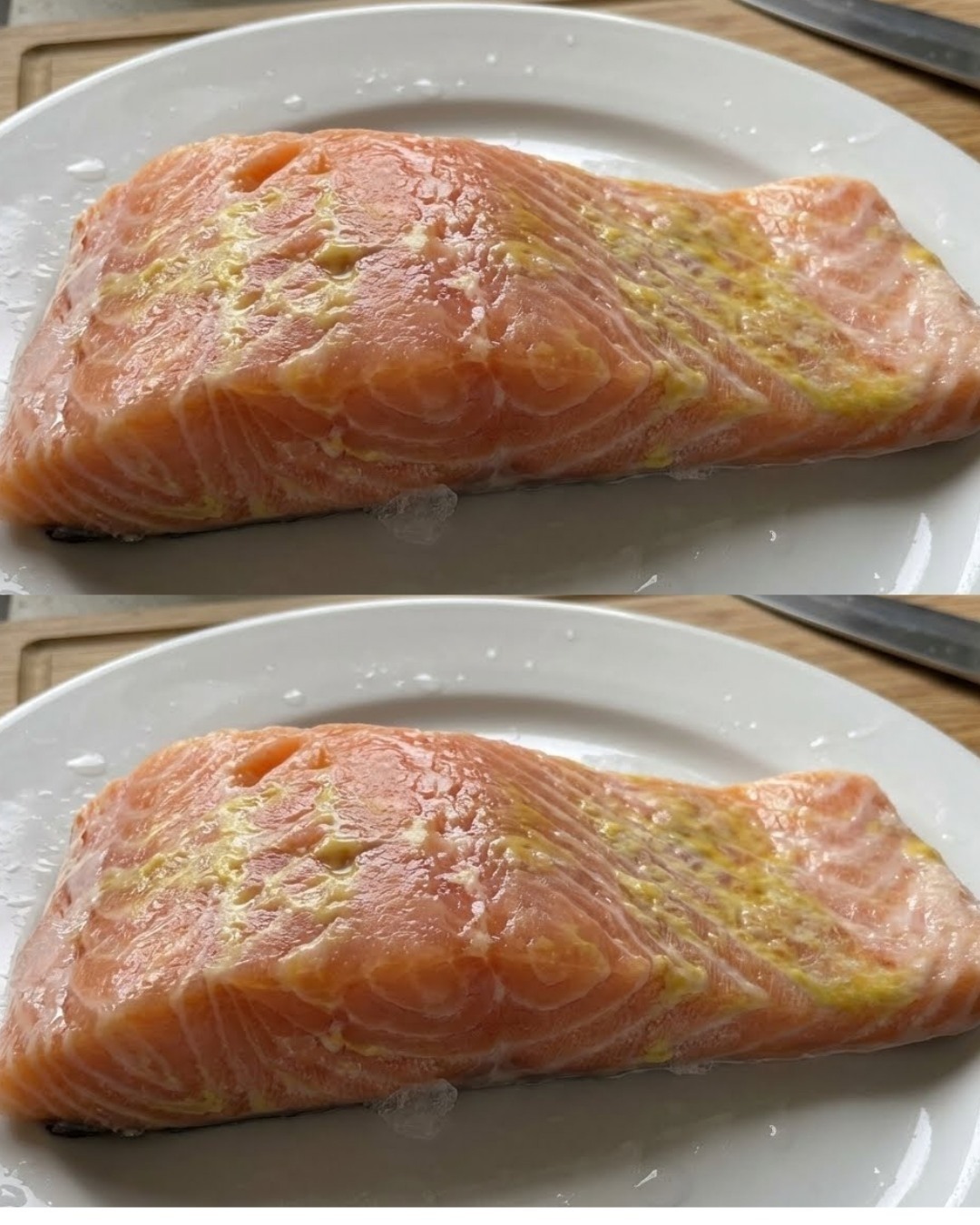
That Yellow on Your Defrosted Salmon? Here’s What It Really Means
You pull a piece of salmon from the freezer, let it thaw overnight, and notice something concerning: patches of yellow or yellowish-brown discoloration, particularly along the edges or in the fattier sections. Before you toss it in the trash, here’s what you need to know.
That yellowing is most likely due to a natural chemical process called oxidation—not spoilage. Here’s how to tell the difference and decide if your salmon is still safe to eat.
The Cause: Fat Oxidation, Not Bacterial Spoilage
Salmon is prized for its high concentration of healthy omega-3 fatty acids. However, these delicate fats are vulnerable to oxidation when exposed to air, light, or fluctuations in temperature during freezing and thawing. This reaction can cause the fat to take on a yellow, amber, or even slightly brown hue.
Think of it like slicing an apple: the flesh turns brown after exposure to air. The salmon’s fat is undergoing a similar visual change, though the mechanism is different.
This discoloration is more likely to occur if:
-
The salmon was frozen for an extended period (beyond 2–3 months)
-
It wasn’t properly protected from air (e.g., not vacuum-sealed)
-
It experienced temperature fluctuations in the freezer, such as partial thawing and refreezing
The good news: In most cases, this yellowing is harmless and does not indicate that the fish has spoiled—provided it passes the smell and texture tests.
When to Be Concerned: Signs of Actual Spoilage
Your senses are your most reliable tools. Before cooking, evaluate your salmon using this guide:
| Likely Safe (Oxidation) | Discard Immediately (Spoilage) |
|---|---|
| Mild, ocean-like, or neutral smell | Strong, sour, ammonia-like, or “rotten” odor |
| Firm flesh that springs back when touched | Slimy, mushy, or sticky surface texture |
| Yellow only in fatty areas (belly, edges) | Widespread gray, green, or milky discoloration |
| Frozen for a reasonable duration (<3 months) | Frozen for 6+ months with poor or torn packaging |
The golden rule: If it smells “off” or feels slimy, do not take chances. Spoiled fish has a pungent, unmistakable odor that is hard to miss.
What to Do If You See Yellow
Read more on the next page
ADVERTISEMENT
ADVERTISEMENT
