
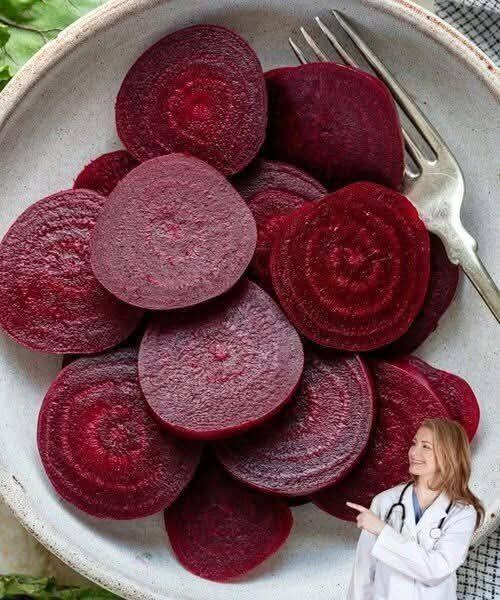
You’ve seen them in salads.
Roasted on dinner plates. Blended into smoothies with ginger and apple.
They’re vibrant. Earthy. And yes — sometimes they make your urine pink.
But behind their bold color lies something more subtle: 👉 A quiet, science-supported ability to support circulation, digestion, and overall well-being — especially as we age.
Beets (Beta vulgaris) aren’t magic. But they are medicine — in the gentlest, most delicious form.
Let’s explore what doctors and nutrition experts really say about adding beets to your diet — so you can enjoy them not for hype, but for their quiet power to nourish.
Because real wellness isn’t loud. It’s steady. And sometimes, it comes in deep red.
🔬 Why Beets Stand Out Among Vegetables
Beets are packed with nutrients that work together — not in isolation.
|
Key Nutrient
|
Why It Matters
|
|---|---|
|
✅ Dietary Nitrates
|
Converted to nitric oxide — supports blood vessel health
|
|
✅ Fiber (2–3g per cup)
|
Feeds gut bacteria and supports regular digestion
|
|
✅ Folate (Vitamin B9)
|
Essential for cell repair and nerve function
|
|
✅ Manganese & Potassium
|
Support metabolism, muscle function, and fluid balance
|
|
✅ Betanin (antioxidant)
|
Gives beets their color; helps protect cells from oxidative stress
|
📌 One cup of cooked beets = ~58 calories, low sugar, high reward.
❤️ How Beets Support Circulation (Backed by Science)
ADVERTISEMENT

